
Cultura y noticias hispanas del Valle del Hudson


Across the state, there are 107 IDAs, created to attract businesses and promote employment through tax subsidies. These agencies can grant PILOT agreements (Payments in Lieu of Taxes), which allow corporations to avoid paying a significant portion of their taxes for decades in exchange for building a project. The taxes they are exempted from are those that would otherwise go to school districts, towns, and counties.
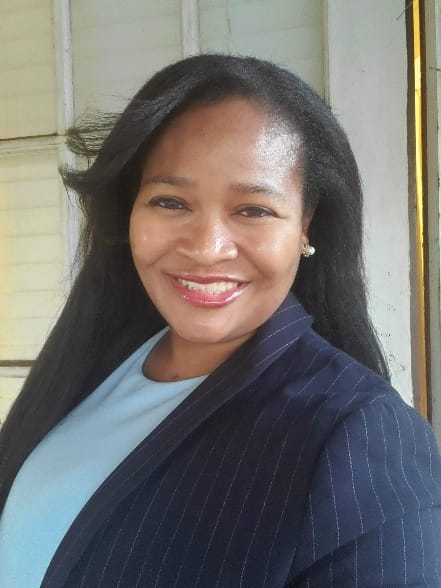
Rashida Tyler, Deputy Executive Director of the New York State Council of Churches and former member of the Ulster County IDA, explained in an interview on La Voz with Mariel Fiori on Radio Kingston that the most controversial PILOTs can grant up to 20 years of tax exemptions. For instance, in Kingston, the Kingstonian project received a deal that would divert nearly $30 million from public funds intended for education and other services over 25 years. Tyler noted that “IDAs are not accountable to the public” and that their meetings are held “on Wednesdays at 9 a.m.,” times inaccessible to most workers.
Moreover, IDA boards are not required to include representatives from school districts, unions, community organizations, or members of the Hispanic community — which already makes up around 13% of the Mid-Hudson region’s population, according to recent reports by Reinvent Albany and the Cornell State Policy Advocacy Clinic. There is also no effective oversight of the data they report, which has even allowed cases of corruption, such as in the Orange County IDA.
In recent years, IDAs have aggressively expanded into housing projects, despite their original mandate focusing on industry and commerce. Between 2018 and 2022, only a quarter of IDA-supported housing was truly affordable, according to the study. Nearly half of Hudson Valley residents sacrifice basic needs to pay rent or mortgages. In this context, tax subsidies act as a double blow: they reduce revenues for schools while promoting housing development that deepens the displacement of low-income families, including Hispanic households.
Public schools are perhaps the most affected by these decisions. According to an analysis by the New York State Comptroller’s Office, about 63% of property tax revenues go to school districts. When a developer receives a PILOT, that money never reaches the classroom. What is presented as a “growth incentive” can mean fewer teachers, fewer support programs, and fewer resources for Black and Latino students — who have historically received less state funding. For Tyler, blaming social services for tax increases is misleading: those hikes often reflect the burden left behind by PILOTs. “When a company doesn’t pay, someone else does,” she said.
In response, the Reinvent Albany study proposes several reforms: prohibiting PILOTs from taking school funds, requiring representation of affected communities on IDA boards, and strengthening mechanisms to recover money when projects are not built or fail to meet their promises. The report concludes that New York cannot solve its housing crisis by creating a new one for public education.
COPYRIGHT 2025Comments | |
| Sorry, there are no comments at this time. |